Where to Stay in Ngorongoro Crater?
There is a wide choice of places to stay within the rim of the crater for all the bush tours, depending on your preference. The eco-lodges, lodges, mobile camps, bush camps, county cottages, and tented camps all reflect the Ngorongoro safari vacation that you are looking for. The accommodation runs from the flair of international cuisine, world-class décor, superlative service, supreme luxury, and total comfort with every modern amenity.
Each accommodation on the crater rim is unique. But experiences vary depending on the inimitable system of the AfricanMecca Safari Tiers that balances the housing against the amenities, food, activities, service, guided standards, location, and the privacy to regulate the variable value all over the entire range.
Ngorongoro lodges include several chalets or lodges clustered around a centralized complex of bar and lounge, dining room, and reception.
However, some of the friendly options available on the crater rim include:
Sopa Ngorongoro
Located along Eastern sides of the Ngorongoro crater within Tanzanian volcanic highlands. The place is about 220 km from Arusha with a 4 hours' drive.
The Sopa Ngorongoro represents an entry-level and a luxurious place to stay during your travel to the Ngorongoro center. It's a large and an excellent place for families with little children who may want some extra entertainment.
Sopa Ngorongoro features an imposing reception linked with an unparalleled welcome service showing a hint of the hotel's stellar service and lovely settings that awaits any visitor.
The arresting column that bears the engraved characters and the furniture that intersperse the reception borrows heavily from the country's tribal cultures and rich wildlife. Furthermore, the potted plants are a friendly reminder of the hotel's beautiful natural surroundings.
The Sopa Ngorongoro lodges provide a grand and colorful lobby that welcomes you to the genuine Tanzanian hospitality then keeps you captivated due to its range of unique sculptures and the original fixtures with the stylish pieces.
Once you get on the entrance, you'll be perplexed as you gaze over the queen beds that are large and across the window wall on the other side. Due to its altitude, the Sopa Ngorongoro is always cool throughout the night. But the good news is, each chamber has a heating mechanism to keep the place warm: there are hot water bottles on each bed during the evening turndown service.
Angata Ngorongoro
The camp is found on the Eastern parts of the crater's rim near the crater lodge. Just inside the park boundaries, the Angata Ngorongoro permits game drives down to the crater.
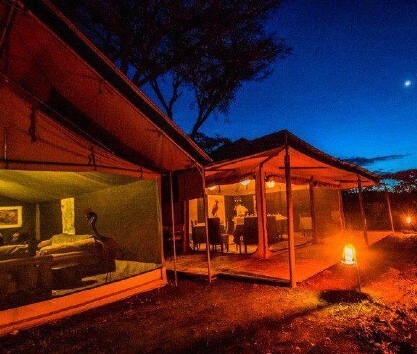
Angata Ngorongoro camps consist of up to 12 Guest Tents and a Dinner Tent, a place where all meals are served, a campfire tent, and a lounge tent. The lounge tent has locally fabricated armchairs and sofas, a bar, plus the charging station for phones, cameras, and other small valuable electronics that needs to be charged before the next drive at the crater. Here, you can relax as you enjoy the Tea of Hot Chocolate.
Dinner, lunch, breakfast is served on the dining Tent that's extended enough to function at full capacity. Also, a wine selection area is available here. Mosquito nets are found within the camps to protect guests from insects during their meals. The Bush TV and the campfire is located a few meters on the front side of the central area of the camp, mostly beneath the beautiful Acacia.
The visitors' tents feature a balcony area with a coffee table and safari chairs beneath the tent's overhang where there are also mandatory fire extinguishers and umbrellas.
All the rooms are the same and have one 2-3 Twin or King-sized beds with a clothes hanger, a lockable wooden storage box for your valuables, a luggage shelf, and a solar handheld light. The beds have mosquito nets lowered at turndown with the housekeeping staff.
The Highlands Ngorongoro
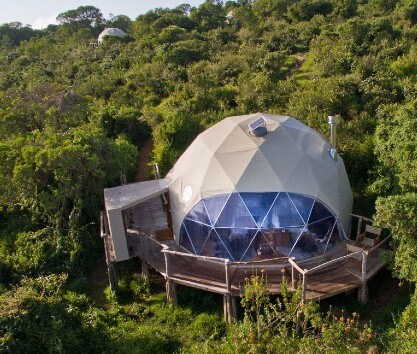
This award-winning camp with glass suites and eight domed canvas is located along the edge of Olmoti volcano. This place feels a bit remote, but it's located within easy reach of the Ngorongoro crater where you can go out for an all-day game drives to spot the lions giraffes and elephants.
Furthermore, guests can also socialize with the communities around the camp learning about their culture. During the night, you can gather around the fire with a glass of whiskey or wine before feasting on a sweet three-course dinner.
The Highlands Ngorongoro camp has a contemporary design that's hard to find within the African bush. The interiors of each dome tent feature a superb blend of modern and classic safari elements. Raw wood has been used in constructing the floors, ceilings, and walls thus creating a romantic and intimate space.
The sleeping area has a king-size bed, nightstand together with a reading light, bay windows, wardrobe, wood-burning fireplace, a lockbox, side table, and chairs. White and black photographs and other animal prints that brings Africa indoors.
Highlands Ngorongoro has ensuite that's tastefully constructed with a flush toilet, a shower that features hot running water, and a vanity. The tent has a wood deck that has safari tables and chairs together with a covered entry area with a wood door.
Every morning at the Highlands camp, you wake up to get a golden and a soft glow flickering inside your tent. Once you are done with freshening up, you move to the dining place for a sweet breakfast. But you can also enjoy your picnic breakfast around the bush.
After that, the Highlands Ngongoro's guide meets you and helps you in planning about the day's schedule then you use a 4x4 custom safari vehicle to start your tour to the Ngorongoro crater that's about 40 minutes' drive.
When looking forward to splashing out on a particular thing, then this place is a perfect fit.
Ngorongoro Crater lodge
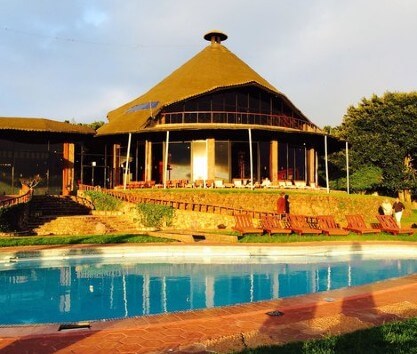
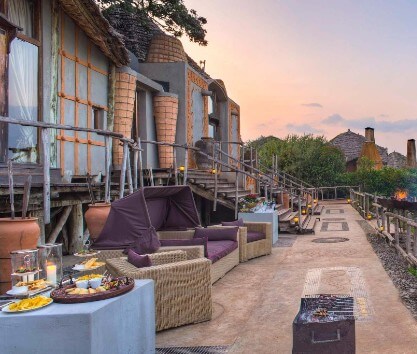
The Ngorongoro crater lodge is a nice and self-indigent fantasy place to live in Ngorongoro and a winner of various luxurious accolades in Africa. The area features a range of dream-like and thatched rondavels.
The lodge itself features a photogenic treasure from the architectural imagination that's circled by the wildlife that typifies African travel. The lodge can accommodate up to 60 guests at once making it an excellent place for large family set up. All suites are built on stilts and them all feature vaulted ceilings with woven banana leaves on the thatched roofs.
The amenities and service are of the expected standard and there are welcoming gifts of fudge boxes, a centerpiece of roses and decanter of sherry on the bathroom acts as a prelude to the comfort of the hot foaming baths. Child-minding services and messages-in rooms are also present, laundry and housekeeping activities are also impressive.
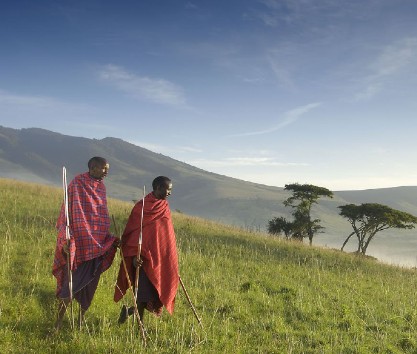
Internet and telephone services are present from the main lodge where a safari boutique is also present. After an all-day tour in the Ngorongoro crater, on your way to the lodge, you'll meet entertaining athletic Maasai tribesmen dressed in their red cloaks singing and dancing evocatively as they demonstrate the meaning of their homeland.
Different tables are arranged with crystal, white linen, and silver. Furthermore, the outsize wooden platters deliver a romantic and beautiful candle-lit dining. The lodge chef gives your choice prior.
Food served within the lodge includes cooked vegetables, salads, meat, poultry, fish, and soups. Vegetarian options are also provided, and these are escorted by fruit juices and a list of international wine. Freshly made desserts, Tanzanian coffee, cheeseboard, and spirits that rounds off the meal.
Rhino Lodge
Found a few meters along the southern rim of the amazing Ngorongoro crater, Rhino lodge delivers a spectacular accommodation with a friendly staff. Even though the lodge is not based along the crater’s rim, the place features beautiful surroundings and offers easy access to the road that leads to the crater.
While in this place, you can gaze at the Ngorongoro’s beautiful concentration of wildlife, including the breathtaking scenery.
The lodge offers a 24 en-suite rooms that are properly arranged on a courtyard, and a veranda that faces the colorful montane forest. The rooms are quite simple but provides a comfortable and are built with wood burning stoves to bring warmth during the chilly nights.